Most lost trips are not lost on price. They are lost because the budget was never discussed clearly. The travel client budget conversation is the short, honest exchange where you learn what a client is ready to invest, so you can design a trip they will actually book. Skip it and you quote blind: price too high and the client goes quiet, price too low and you give away your own margin. This guide covers when to raise budget, how to ask without scaring anyone off, and what to do when a client says “I don’t really have a number” or “as cheap as possible.” Think of it as the money part of a good discovery call, zoomed in.
Why the travel client budget conversation feels awkward
Travel is emotional, and money is private. Asking a near-stranger what they plan to spend on a holiday can feel pushy, so a lot of advisors soften it into nothing: “whatever works for you,” or they skip it and build on a guess. That guess is where the time goes. You spend hours on a proposal, the client balks at the total, and you start again from zero.
Reframe the question and the awkwardness drops. You are not asking for permission to spend their money. You are asking for the one constraint that lets you design the right trip instead of a random one. A client who gives you a range is handing you a map. A client who refuses is telling you they are not ready to commit, which is useful to know before you invest a day of work.
The real cost of skipping it: blind quotes, slow turnaround, and a pipeline full of leads who were never going to buy at your level. The budget question is also a qualification filter. It tells you who is serious.
When to raise it in the client journey
There are two schools of thought. Some advisors ask about budget almost first, treating it as the foundation everything else sits on. Others hold it back, worried that a number asked too early caps the dream before the client has described it.
Both are right in the wrong moment. Ask before you understand the trip and the budget means nothing, because the client has not pictured what they want yet. Ask after you have built the proposal and you have wasted the work.
The sweet spot sits in the middle:
- First, understand the shape of the trip: who is travelling, where, roughly when, and what matters most to them.
- Then, once they are excited and have described the experience, introduce budget as the thing that turns the dream into a plan.
- Before you build anything, confirm the range in writing.
That order keeps the conversation warm. The budget lands as a practical next step, not a cold gate.
How to ask: three openings that work
You do not need a clever script. You need a phrasing you are comfortable saying out loud, so it sounds natural rather than rehearsed. Here are three that travel advisors lean on, from most direct to most investigative.
| Opening | Sounds like | Use it when |
|---|---|---|
| Direct range | ”To design the right trip, what range did you have in mind, per person or total?” | The client is relaxed and transactional. |
| Anchored | ”Trips like this usually land between X and Y depending on the hotels and pacing. Where in that range feels right to you?” | The client has no reference point and needs one. |
| Investigative | ”Tell me about your last big trip: where did you stay, and did the spend feel comfortable?” | The client is hesitant to say a number directly. |
Two details make any of these land better. Always clarify currency and whether the figure is per person or total, and state what the range is meant to cover: flights, lodging, transfers, activities, and your planning fee if you charge one. A budget that silently excludes flights is not a budget, it is a surprise waiting to happen. For international trips, lock the currency early so exchange-rate movement does not quietly reshape the number between quote and payment.
What to do when the budget is vague, missing, or unrealistic
This is where the conversation earns its keep. Most clients will not hand you a clean figure. Here is how to respond to the answers you actually get.
| What the client says | What it usually means | Your move |
|---|---|---|
| ”I don’t really have a budget.” | They have one but do not want to anchor low, or they genuinely do not know. | Offer a range to react to: “Should I plan around 5k, 10k, or higher per person?” People find it far easier to pick than to volunteer. |
| ”As cheap as possible.” | Price is the only stated value so far. | Trade price for priorities: “Happy to keep it lean. What is the one thing you would not want to compromise on?" |
| "Money is no object.” | Rarely literal. | Confirm gently with a concrete example: “Great, so a 2,000 a night suite is on the table?” The reaction sets the real ceiling. |
| A number far below the trip | Expectations and reality have not met yet. | Show the gap honestly, then offer a realistic version or a shorter trip. Do not pretend it fits. |
The thread running through all four is the same: you never argue with the budget, you work with it. When a wish list outruns the number, say so early and ask which part flexes, the budget or the trip. Letting a client discover the mismatch in a finished proposal is the most expensive way to find out.
Design to the budget, not away from it
Once you have a real range, treat it as a design constraint rather than a ceiling to creep past. A budget is strategic: being deliberate about where to save and where to splurge is one of the most underrated parts of the craft. Put the money where the client will feel it, the standout hotel night or the private guide, and trim where they will not notice.
When the budget is flexible or the client is on the fence, give them room to choose up. Tiered proposals that present a good, better, and best version in one place let the client self-select a higher value trip without you having to push. The budget conversation told you the floor. A tiered proposal shows them the ceiling is theirs to pick.
Log the budget so it drives your pipeline
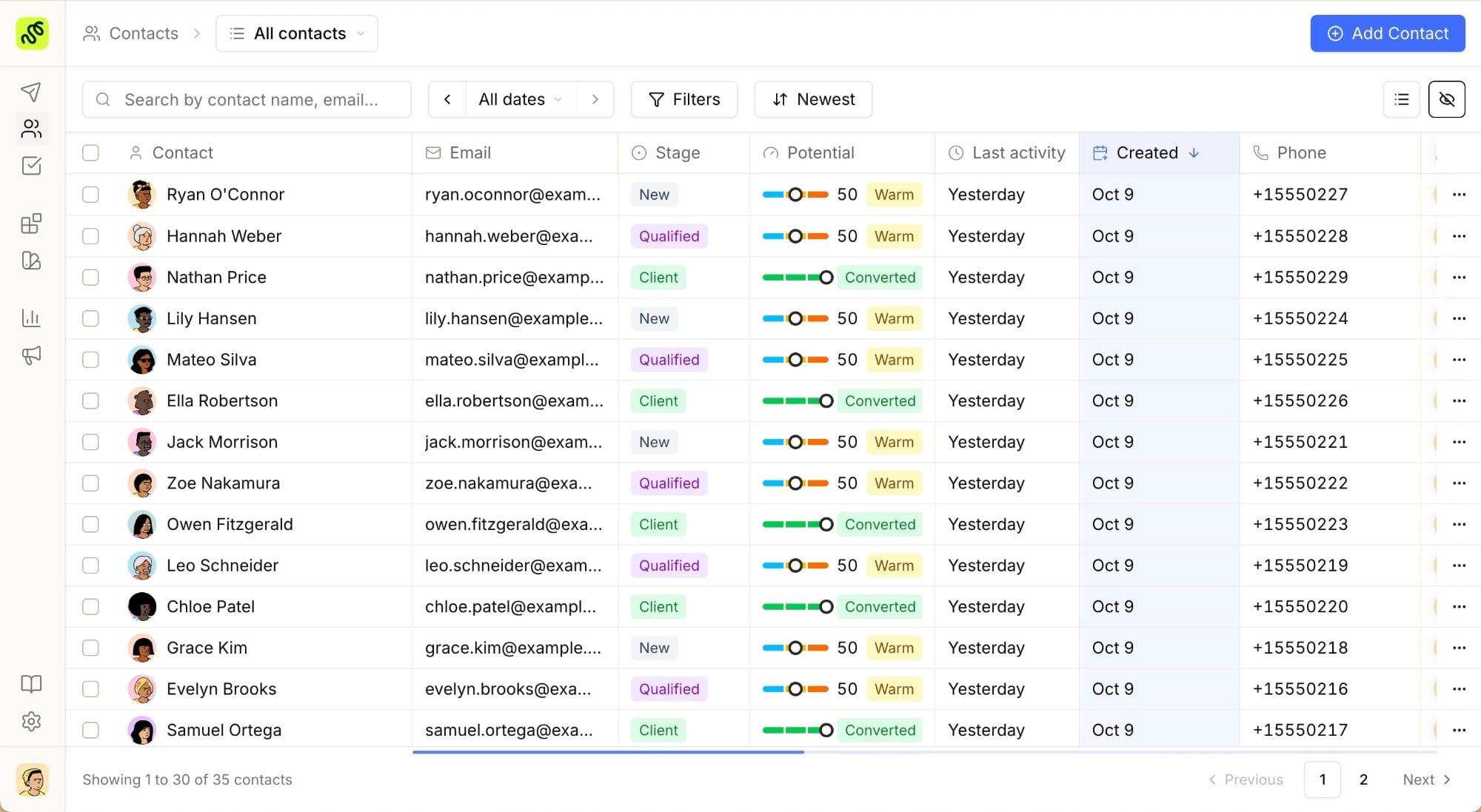
A budget captured in your head or buried in an email thread helps nobody a week later. Record it the moment you have it. Store the range, currency, and what it includes on the contact record in your CRM so every follow-up and every quote starts from the same number. A good travel CRM also lets you qualify leads by budget band, so you spend your best hours on the enquiries that match the trips you want to build.
That single field compounds. It feeds your sales pipeline, it shapes which itinerary you design, and over time it tells you which lead sources send clients at your price point and which send tyre-kickers. The budget conversation is not a one-off hurdle. It is the first clean data point in a trip that is far more likely to close.
Try it inside TravelBuilderPro
Capture each client’s budget, qualify leads by range, and turn the number straight into a branded itinerary and proposal, all in one place. Try every feature free for 7 days. The trial unlocks the full product on signup and converts to the plan you choose unless you cancel.
Common questions
01Should I ask for budget on the first call?
Not at the very start. Understand the trip first, who is going, where, and what matters, then introduce the travel client budget conversation once the client is engaged. Asking too early caps the dream before it is described; asking too late wastes your build time.
02What if the client refuses to give any number?
Offer a range for them to react to instead of pressing for an exact figure. If they still will not engage with budget at all, treat it as a qualification signal: they may not be ready to commit, and that is worth knowing before you build a full proposal.
03How do I ask about budget without sounding pushy?
Tie the question to their benefit, not yours: you need the range to design the right trip rather than a random one. Clarify currency and whether it is per person or total, and name what the figure covers so there are no surprises later.
04Should budget include my planning fee and flights?
Say so explicitly. State upfront whether the range covers flights, transfers, activities, and your planning fee. A budget that silently leaves out major costs sets up an uncomfortable conversation when the real total lands.
Summarize this article with AI
Opens your assistant with the question already written.